
Patient Education
Thyroid Disease
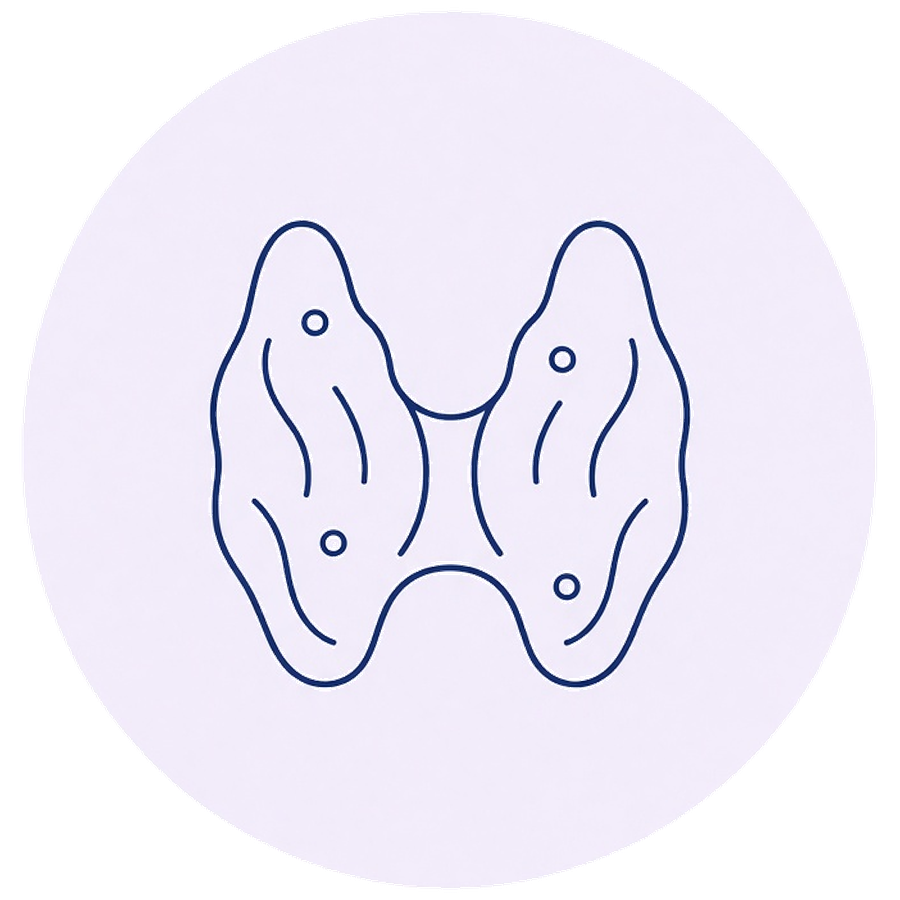
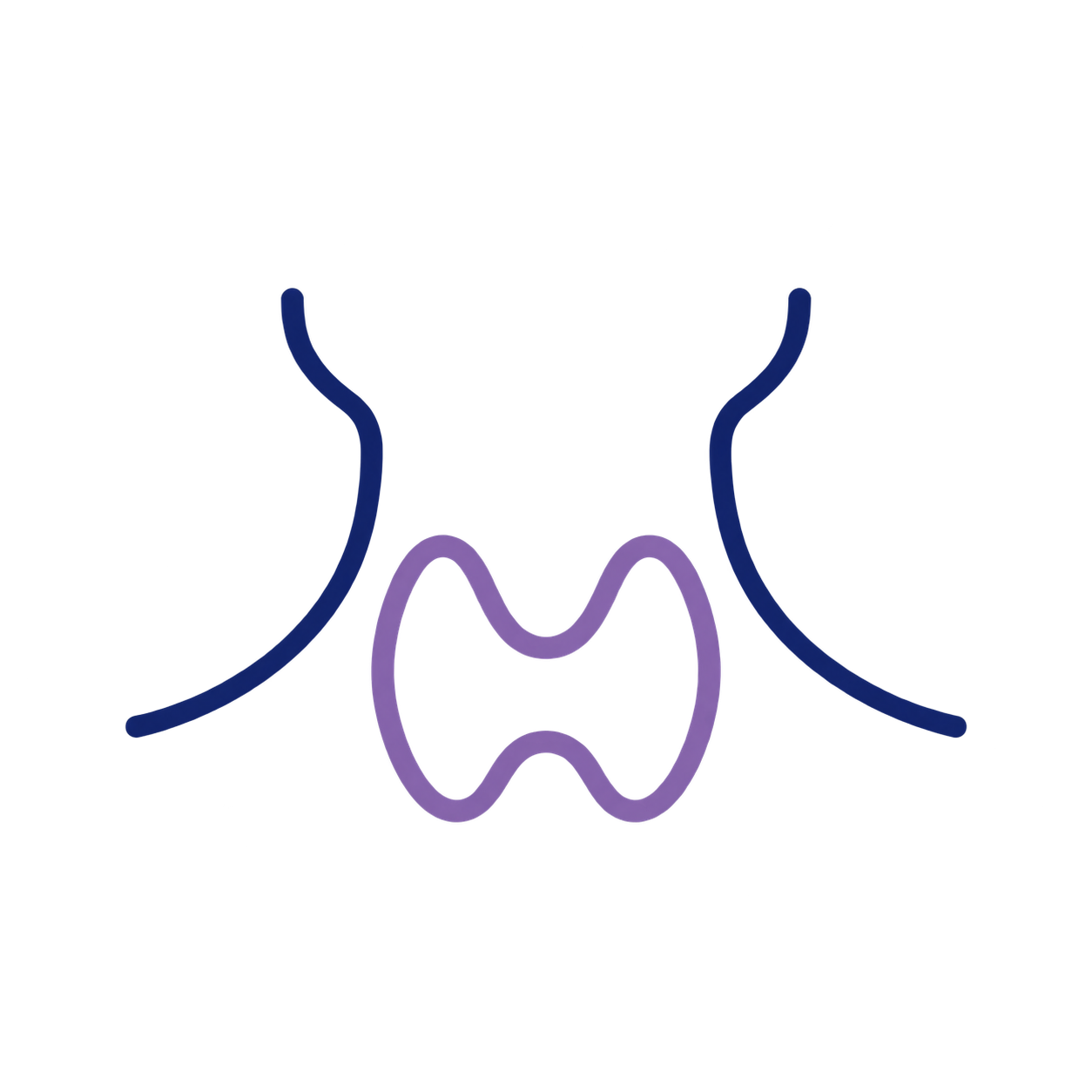
The thyroid is a small gland in the neck that produces hormones that help regulate energy, metabolism, heart rate, body temperature, and many other body functions.
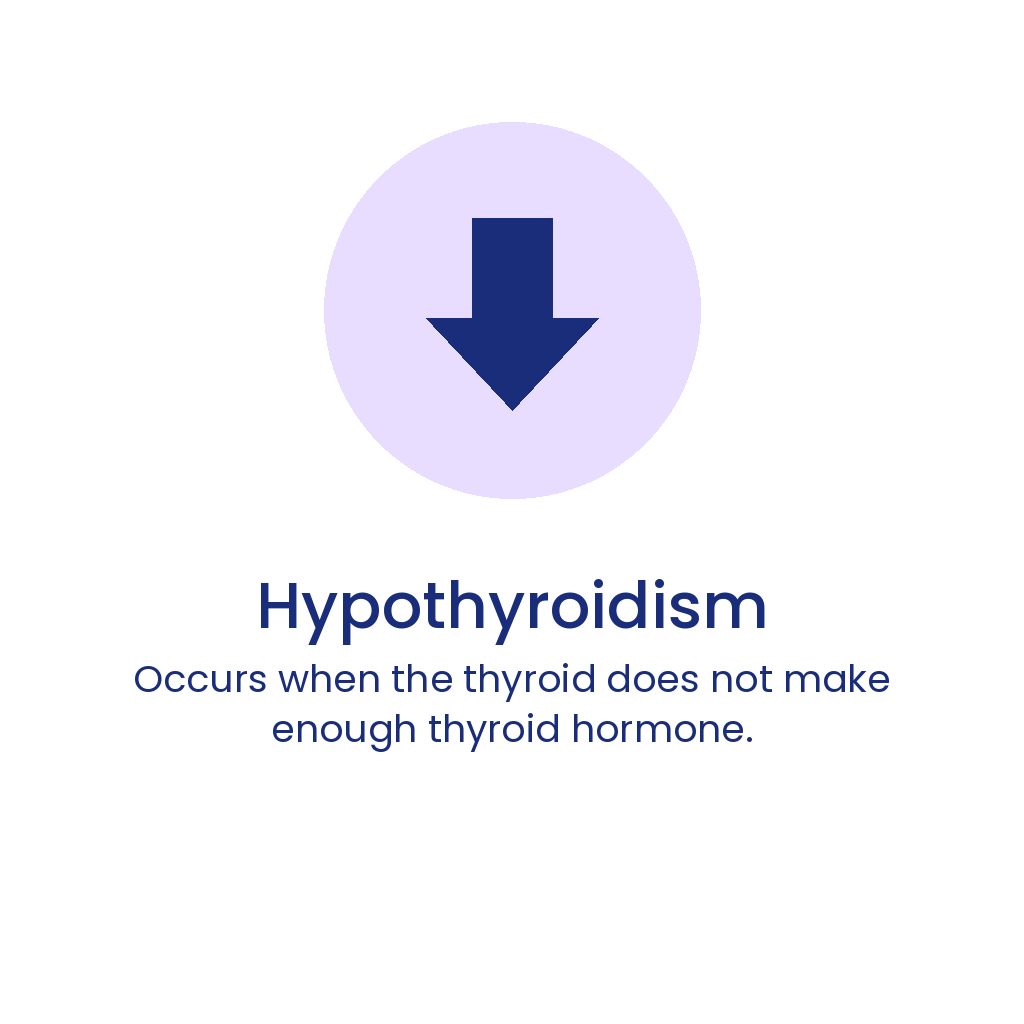
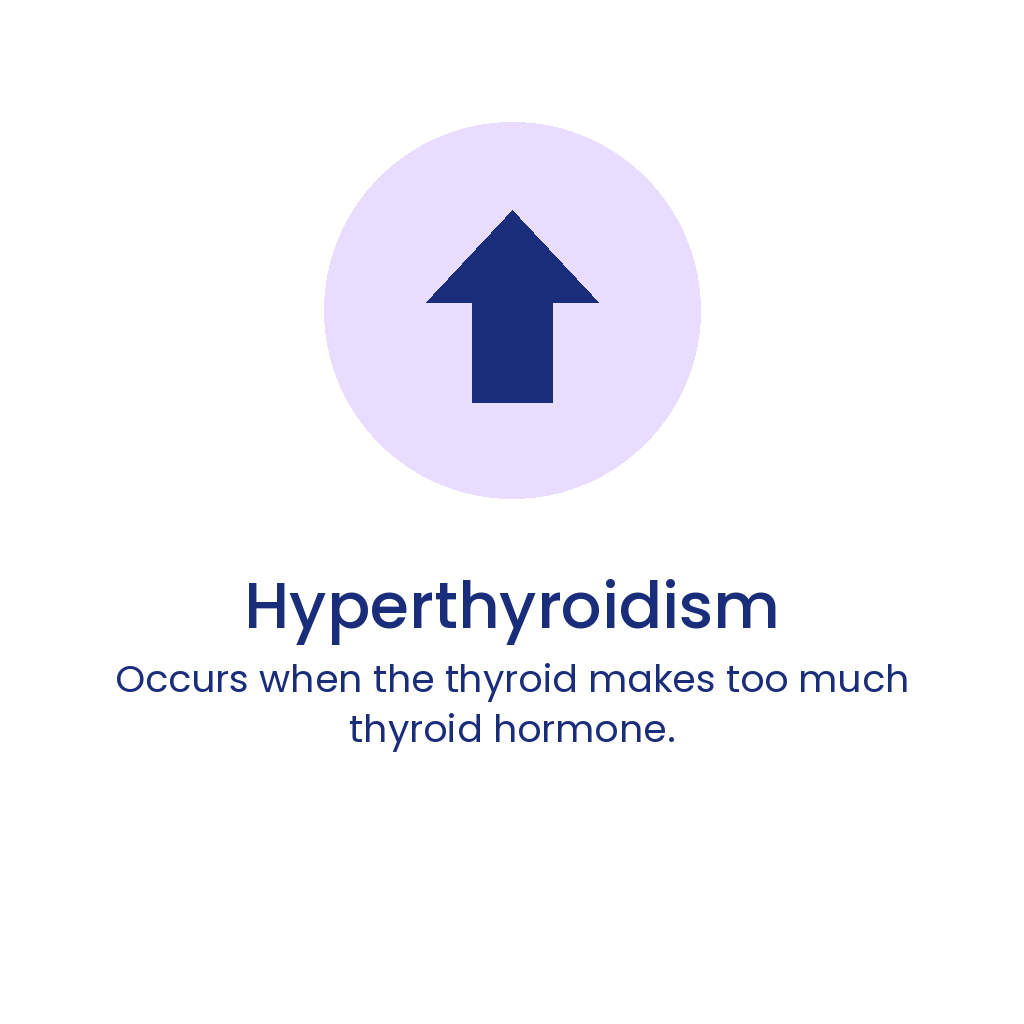
Thyroid disease occurs when the thyroid makes too little or too much thyroid hormone, becomes enlarged, or develops nodules. Many thyroid conditions can be effectively managed with appropriate evaluation, treatment, and ongoing monitoring.
Schedule a visit with our primary care team!
Common Symptoms
Thyroid problems can cause a wide range of symptoms depending on whether the thyroid is underactive or overactive.
Fatigue
Unexplained weight gain or weight loss
Feeling unusually cold or hot
Changes in heart rate
Dry skin or hair changes
Because these symptoms can have many causes, blood testing and a medical evaluation are important.
Common Thyroid Conditions
Constipation or more frequent bowel movements
Anxiety, irritability, or mood changes
Difficulty sleeping
Changes in menstrual periods
Swelling or a lump in the neck
Understanding Your Thyroid Tests
Managing Thyroid Disease
Treatment depends on the type of thyroid condition and may include:
Thyroid hormone replacement
Medications to reduce thyroid hormone production
Regular blood testing
Monitoring thyroid nodules
Additional imaging or specialist evaluation when appropriate
Thyroid Care Close to Home
At Loganville Family Medicine, we provide evaluation, laboratory testing, medication management, and ongoing monitoring for common thyroid conditions.
If additional testing or specialty care is needed, our providers can help guide you through the next steps.
Visit these websites for additional information:
National Institute of Diabetes and Digestive and Kidney Diseases (NIDDK/NIH) • American Thyroid Association (ATA)
Ready to Take the Next Step?
Schedule a consultation with our primary care team to discuss thyroid symptoms or review your test results.