
Patient Education
High Cholesterol (Hyperlipidemia)
High cholesterol, also called hyperlipidemia, occurs when there are unhealthy levels of cholesterol or other fats in the blood.
High levels of LDL cholesterol can contribute to plaque buildup in the arteries, increasing the risk of heart disease and stroke. High cholesterol usually does not cause symptoms, so a blood test is needed to know your cholesterol levels.
Schedule a visit with our primary care team!
Know Your Numbers
A lipid panel measures important numbers
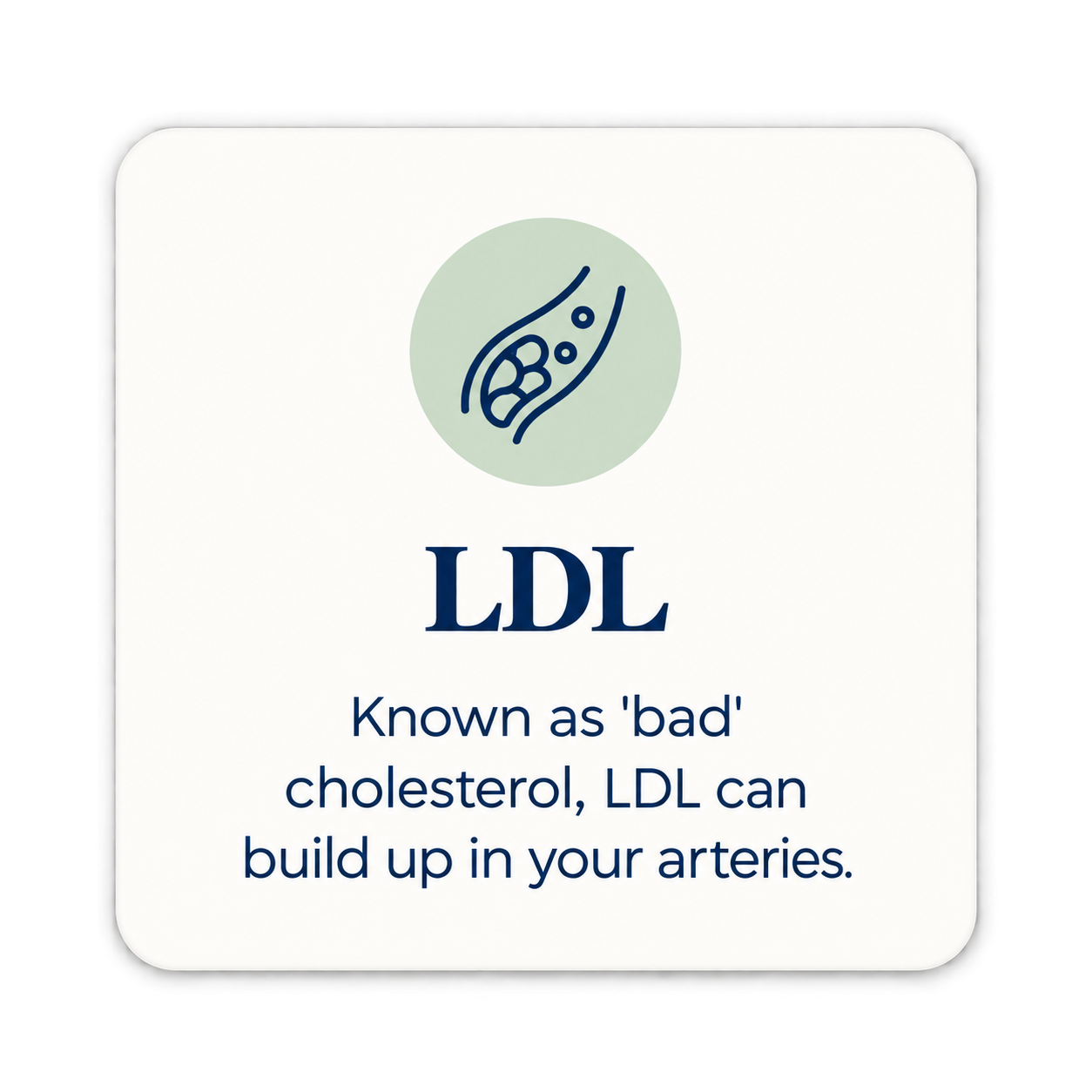
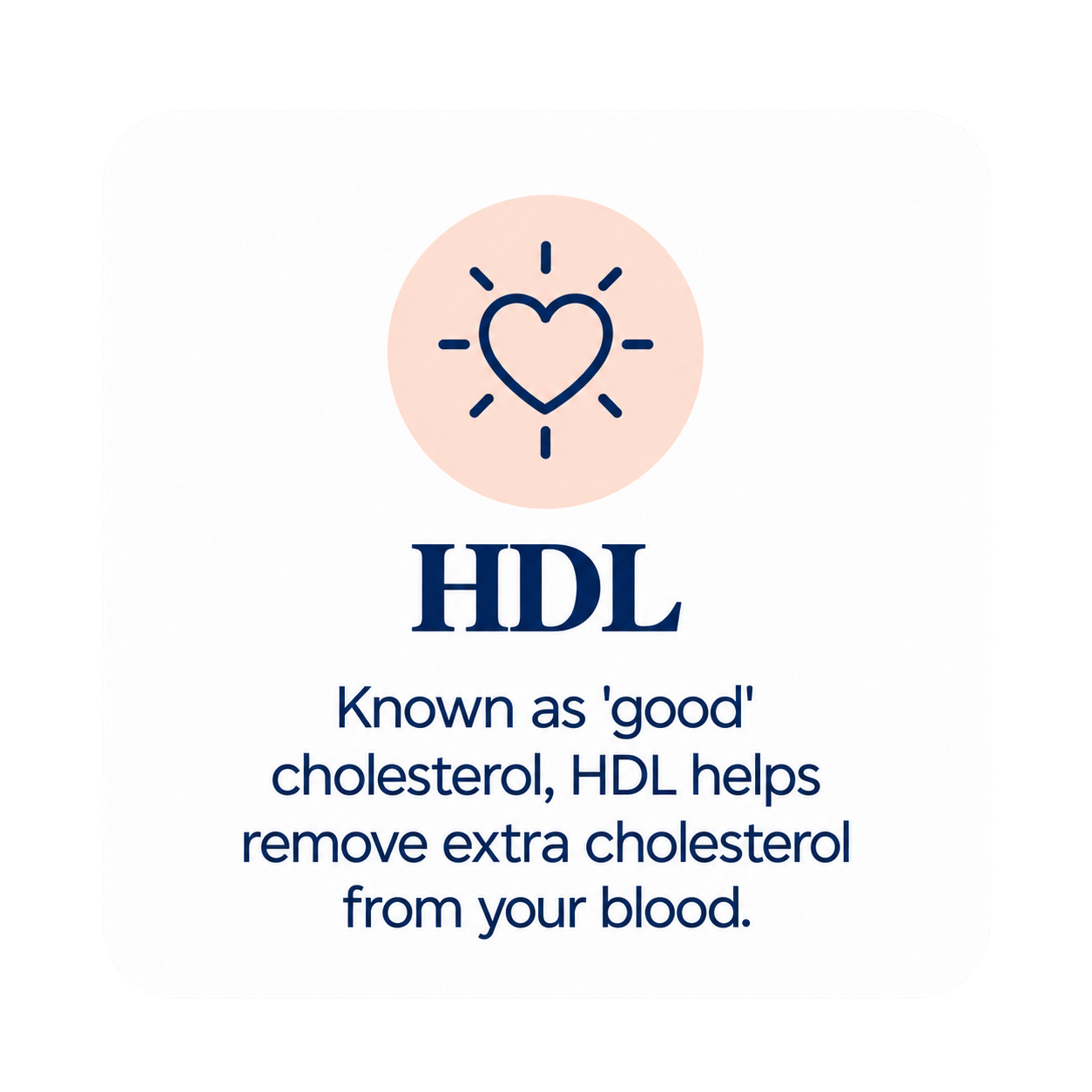
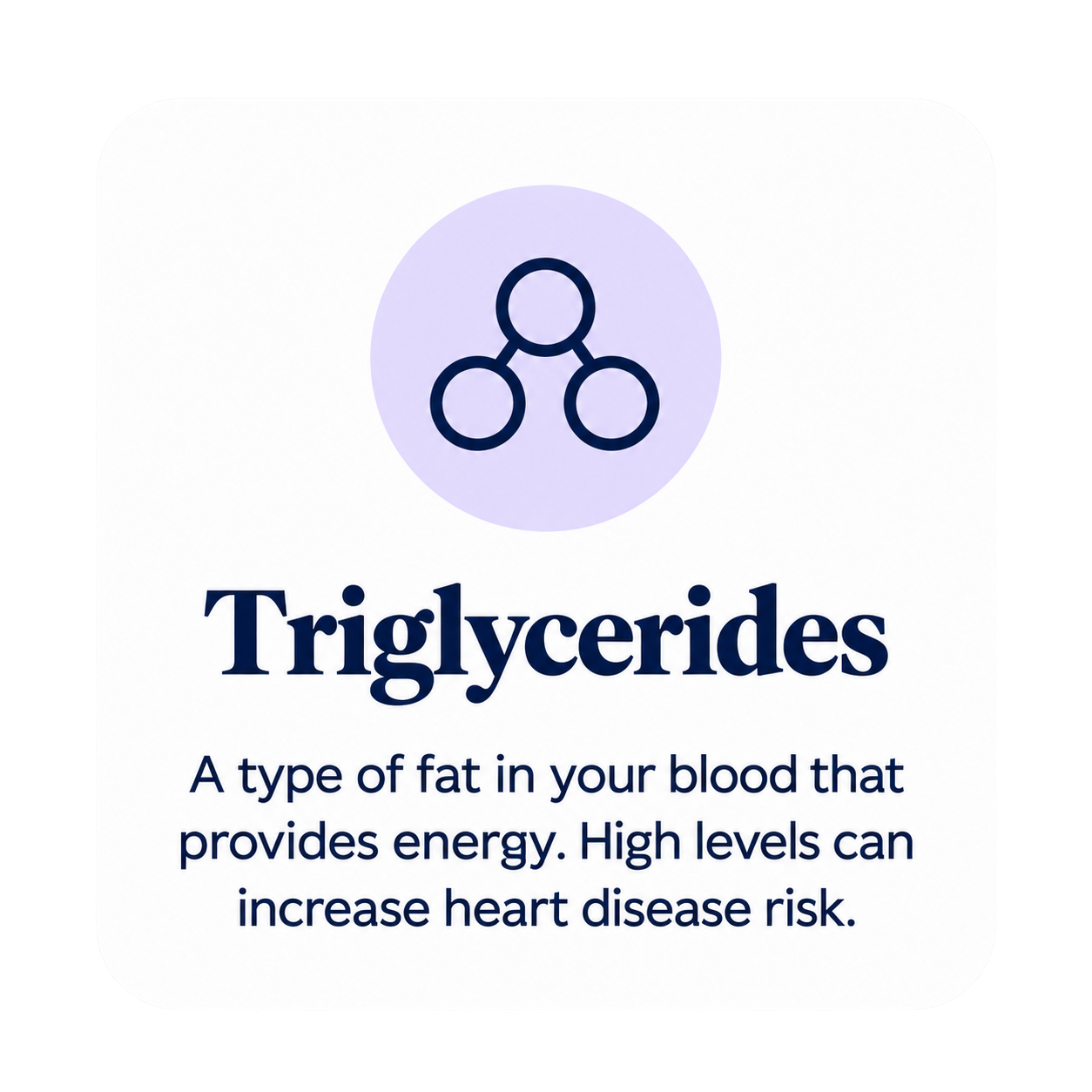
At Loganville Family Medicine your clinician will review your cholesterol results along with your medical history and overall cardiovascular risk to determine the best plan for you.

Often No Symptoms
High cholesterol usually has no noticeable symptoms.
A blood test called a lipid panel is used to measure cholesterol and triglyceride levels. Regular testing can help identify high cholesterol before it causes problem
Managing High Cholesterol (Hyperlipidemia)
Healthy lifestyle choices are an important part of cholesterol management. Some people may also need medication based on their cholesterol levels and overall cardiovascular risk.
• Choose heart-healthy foods.
• Limit saturated fats.
• Eat more fruits, vegetables, whole grains, and other fiber-rich foods.
• Stay physically active.
• Maintain a healthy weight.
• Avoid tobacco.
• Take cholesterol medication as prescribed.
• Keep your recommended follow-up appointments and blood tests.
Statins remain the most commonly used first-line cholesterol-lowering medication when medication is indicated.
Know When to Get Help
Blood pressure higher than 180/120 mm Hg is considered severely high.
If your blood pressure is higher than 180/120 and you have symptoms such as chest pain, shortness of breath, weakness or numbness, vision changes, or difficulty speaking, call 911.
Cholesterol Care Close to Home
At Loganville Family Medicine, we provide cholesterol screening, cardiovascular risk assessment, lifestyle guidance, medication management, and ongoing monitoring.
Understanding and managing your cholesterol is an important part of protecting your heart and overall health.
Visit these websites for additional information:
Centers for Disease Control and Prevention (CDC) • American Heart Association (AHA) • National Heart, Lung, and Blood Institute (NHLBI/NIH)
Ready to Take the Next Step?
Schedule a consultation with our primary care team to discuss cholesterol screening and treatment options.